


The Asymmetric Threat Symposium Series is a non-partisan, not-for-profit, pro-bono forum that furthers a national dialogue on asymmetric threats to national security. At the most basic level, asymmetric threats or asymmetric warfare refer to conflicts where the relative military power of combatants differs considerably. This website is designed to capture the collected knowledge, research, fact-based resources, and thought leadership that has been a part of this series since its founding, provide a wider understanding of asymmetric threats – and how to counter them, and continue advancing dialogue on important national security concerns.
The symposium series was founded in 2008 by Dr. J.P. (Jack) London, CACI’s Executive Chairman and Chairman of the Board from 2007 to 2021, and Dr. Warren R. Phillips, Lead Director on CACI's Board of Directors from 1974 to 2021. Since then, the series has attracted an array of participants from military, government, industry, and academia. Participants have helped develop and articulate new ideas and thinking on achieving an overarching national strategy that effectively counters the threats posed by adversaries by focusing on concrete approaches to structural, procedural, and resource-related changes needed to realign elements of national power against 21st century adversaries.
The fourteenth edition of the Asymmetric Threat Symposium Series, a virtual event held October 19, 2021 at the National Press Club in Washington, D.C., addressed meeting America’s challenges, and fixing vulnerabilities to assure its national security and the security of its allies. Participants in the symposium explored the issues at the heart of 21st century great power competition – specifically, rival efforts by the United States and its competitors to revolutionize military affairs by exploiting dazzling new technologies. Cutting across these technologies is the need for artificial intelligence (AI) and machine learning (ML). Without AI/ML, no nation will be able to succeed in economic, political, or military competition in an increasingly data-driven and data-defined world.
Effective creation and adoption of AI/ML will prove decisive in the United States’ pursuit of technological superiority over near peer adversaries, speakers contended. Without effectively developing, deploying, and advancing AI/ML, the United States will not be able to strengthen or protect its national security efforts sufficiently in the long term. This includes stopping incursions and attacks aimed at American civil and commercial institutions, not just defense and national security entities.
Speakers and panelists noted that effectively detecting and defeating these efforts will require innovative new use of “bits and bytes” to property integrate systems and capabilities across organizations, military services, and other national security entities. This will require attention to changes across government, participants noted, from policies, strategies, and authorities to technologies and tactics. The U.S. Government will also have to rethink how it collaborates and works with the private sector in the coming years in order to effectively defend American interests, as many of the innovations and leading technological developments in AI/ML are originating outside of government. While progress has been achieved in some areas, time is not on America’s side – the race for AI/ML dominance is one we can’t lose.
Enhancing National Security Capabilities With AI
CACI Senior Vice President and Strategic Advisor Lt. Gen. Mike Nagata, U.S. Army (Ret.) recently discussed the rising importance of artificial intelligence (AI) in national security at Asymmetric Threat Symposium XIV, and how to make sure this powerful tool enables practitioners to become more agile, faster, and effective. As AI is able to provide more and more information, he notes, we must ensure it can deliver data in ways that avoids putting an “additional cognitive burden” on leaders and practitioners alike.
Panel Discussion - Artificial Intelligence
How has artificial intelligence (AI) and machine learning (ML) come to be so vital to nearly every aspect of national security, and what is its future role in defending the United States and its interests? How can cooperation between government, industry, and academia improve so that America leads the world in AI/ML development and fielding? Moderator Lt. Gen. Karen Gibson, U.S. Army (Ret.) and panelists explore these questions and more in this insightful discussion from Asymmetric Threat Symposium XIV. Participants include:
- The Honorable Don Bacon, U.S. Congress, Nebraska’s 2nd District
- Lt. Gen. John (Jack) N.T. Shanahan, U.S. Air Force (Ret.), Former Director of the Joint Artificial Intelligence Center (JAIC), U.S. Department of Defense
- Moderator: Lt. Gen. Karen Gibson, U.S. Army (Ret.), U.S. Senate Sergeant at Arms and Former Deputy Director of National Intelligence for National Security Partnerships
Panel Discussion – Bits and Bytes Versus Bombs and Bullets
Modern war and great power competition is vastly different from the conflicts of the past – with information and data now just as important if not more so than traditional capabilities such as troops, tanks, aircraft, and ships. What must the United States do now and in the years ahead to develop and deploy AI/ML in a way that will give us definitive advantage across our national security tool set? Former Principal Deputy Director of National Intelligence Susan Gordon moderates a thoughtful panel discussion on these topics from Asymmetric Threat Symposium XIV. Participants include:
- The Honorable Ryan D. McCarthy, Former Secretary of the U.S. Army
- Gen. Paul Selva, U.S. Air Force (Ret.), Former Vice Chairman of the Joint Chiefs of Staff
- Lt. Gen. Dennis A. Crall, U.S. Marine Corps, Director, Command, Control, Communications, and Computers/Cyber and Chief Information Officer, Joint Staff (J6)
- Nand Mulchandani, Chief Technology Officer, Joint Artificial Intelligence Center (JAIC), U.S. Department of Defense
- Moderator: The Honorable Susan M. Gordon, Former Principal Deputy Director of National Intelligence
The Honorable Don Bacon, U.S. Representative for Nebraska’s 2nd District, observes that AI is “embedded” in all elements of the national power of the United States – diplomacy, information, military, and economic power – and is not a separate element of national security on its own.
The Honorable Ryan D. McCarthy, former Secretary of the U.S. Army, says the Department of Defense and national security agencies have to think hard about how to cultivate practitioners who “speak the language” of AI – and can use that knowledge effectively in national security.
Computers and AI, unlike humans, do not get tired of pouring over the massive volumes of data that the U.S. military services and national security agencies must deal with in information age warfare. But national security leaders must still make decisions about effects that are created in the physical world informed by what AI observes and decides is important, said former Vice Chairman of the Joint Chiefs of Staff Gen. Paul Selva, U.S. Air Force (Ret.).
Lt. Gen. Dennis A. Crall, U.S. Marine Corps, Director for Command, Control, Communications and Computers/Cyber and Chief Information Officer for the Joint Chiefs of Staff, notes that national security practitioners cannot lose sight about AI will work “at the speed of relevance at the tactical edge.” Fighting a near peer military will pose great challenges in the electromagnetic spectrum and in the use of data networks that run well in a garrison but may not function the same in combat.
Lt. Gen. John (Jack) N.T. Shanahan, U.S. Air Force (Ret.), former Director of the Department of Defense’s Joint Artificial Intelligence Center, sees parallels with electronic warfare (EW) in how the U.S. military approaches the use and protection of AI capability. Military and national security practitioners must think hard about protecting data and algorithms, and sharing best practices with allies, in order to preserve the vital technological edge long term.
Video Highlights
The Honorable Don Bacon, U.S. Representative for Nebraska’s 2nd District, observes that AI is “embedded” in all elements of the national power of the United States – diplomacy, information, military, and economic power – and is not a separate element of national security on its own.
The Honorable Ryan D. McCarthy, former Secretary of the U.S. Army, says the Department of Defense and national security agencies have to think hard about how to cultivate practitioners who “speak the language” of AI – and can use that knowledge effectively in national security.
Computers and AI, unlike humans, do not get tired of pouring over the massive volumes of data that the U.S. military services and national security agencies must deal with in information age warfare. But national security leaders must still make decisions about effects that are created in the physical world informed by what AI observes and decides is important, said former Vice Chairman of the Joint Chiefs of Staff Gen. Paul Selva, U.S. Air Force (Ret.).
Lt. Gen. Dennis A. Crall, U.S. Marine Corps, Director for Command, Control, Communications and Computers/Cyber and Chief Information Officer for the Joint Chiefs of Staff, notes that national security practitioners cannot lose sight about AI will work “at the speed of relevance at the tactical edge.” Fighting a near peer military will pose great challenges in the electromagnetic spectrum and in the use of data networks that run well in a garrison but may not function the same in combat.
Lt. Gen. John (Jack) N.T. Shanahan, U.S. Air Force (Ret.), former Director of the Department of Defense’s Joint Artificial Intelligence Center, sees parallels with electronic warfare (EW) in how the U.S. military approaches the use and protection of AI capability. Military and national security practitioners must think hard about protecting data and algorithms, and sharing best practices with allies, in order to preserve the vital technological edge long term.




General Paul Selva, United States Air Force (Retired)
Former Vice Chairman of the Joint Chiefs of StaffRead Bio

Lieutenant General Karen Gibson, United States Army (Retired)
United States Senate Sergeant at Arms and Former Deputy Director of National Intelligence for National Security PartnershipsRead Bio
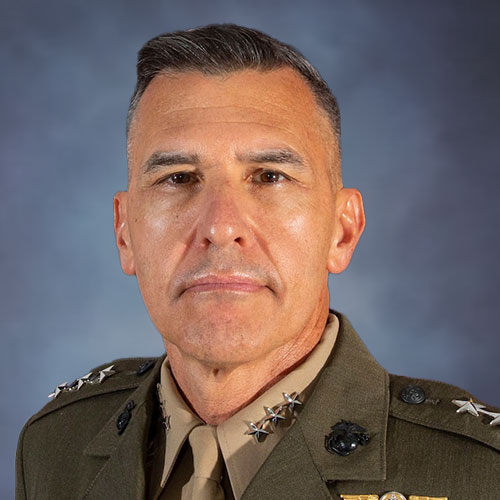
Lieutenant General Dennis A. Crall, United States Marine Corps
Director for Command, Control, Communications and Computers/Cyber, and Chief Information Officer, Joint Chiefs of Staff (J6)Read Bio

Lieutenant General John (Jack) N.T. Shanahan, United States Air Force (Retired)
Former Director of the Joint Artificial Intelligence Center (JAIC), U.S. Department of DefenseRead Bio
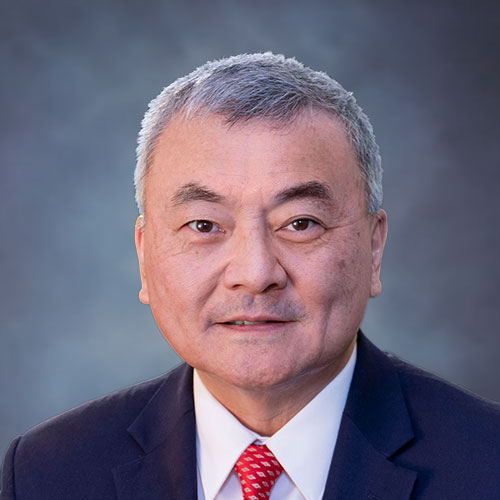
Lieutenant General Michael K. Nagata, United States Army (Retired)
Former Director of Strategic Operational Planning for the National Counterterrorism CenterRead Bio
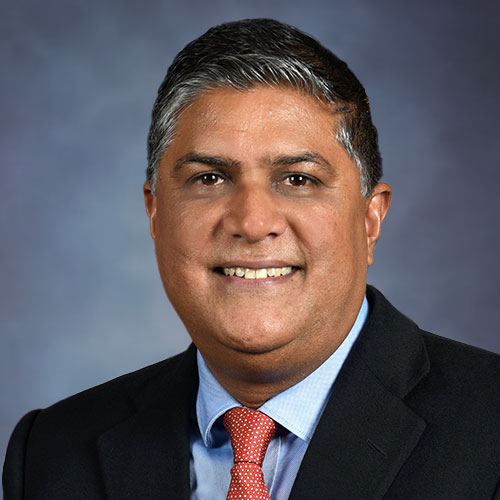
Nand Mulchandani
Chief Technology Officer, Joint Artificial Intelligence Center (JAIC), U.S. Department of DefenseRead Bio
SYMPOSIUM XIV
- Symposium XIV Report 1 - AI and Data: The Gunpowder Revolution of the 21st Century
- Symposium XIV Report 2 - Open Source: A New Horizon for Information and Intelligence
- Symposium XIV Report 3: Artificial Intelligence and National Security – The Race to Build an Information Age Force
- Agenda and Speakers

SYMPOSIUM XIII
- Symposium XIII Report 1 - Automation and AI in Cyber Operations
- Symposium XIII Report 2 - Multi-Platform SIGINT, Cyber, and EW Convergence
- Symposium XIII Report 3 - Layered Defense for Countering Small Unmanned Aerial Systems
- Symposium XIII Report 4 - Multi Domain Operations in the Arctic
- Agenda and Speakers



SYMPOSIUM X

SYMPOSIUM VIII






We Would Love To Hear From You
Please email [email protected] to tell us how we can improve this website, suggest a feature or area of interest, or submit an article, paper, or other item for inclusion.